

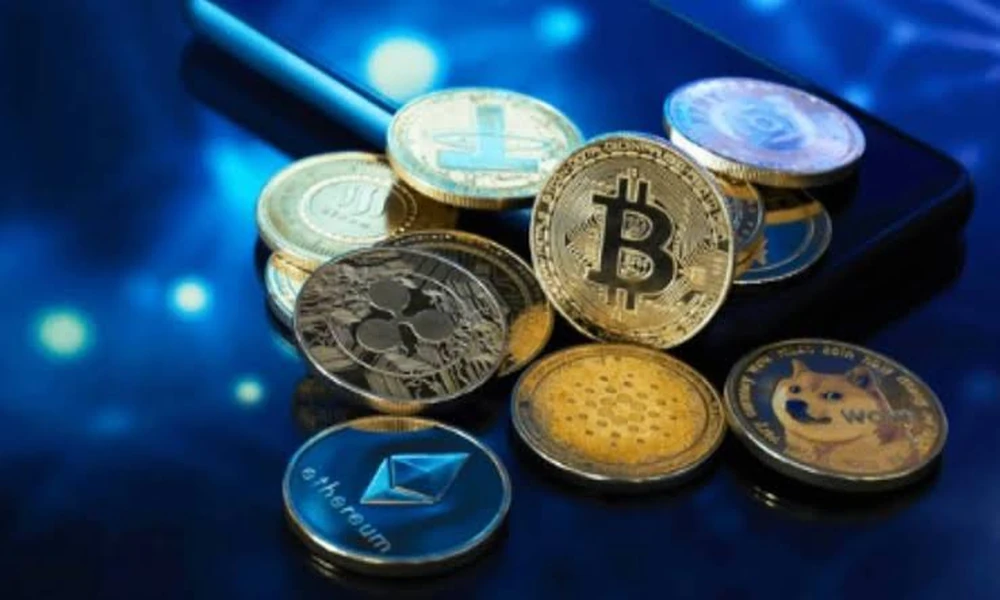
Sending cryptocurrency is simple in principle: enter an address, choose an amount and confirm. In practice, small mistakes can cause delays, extra costs or permanent losses. Unlike bank transfers, most crypto transactions cannot be reversed once confirmed. The good news is that nearly all common mistakes are easy to prevent with a few careful habits. This article covers the errors people make most often and how to avoid them.
Mistake 1: Typing Addresses Manually
Crypto addresses are long strings of characters. Typing them by hand invites errors. While many address formats include checksums that catch typos, not all do, and a mistake can still cause problems.
How to avoid it: always copy and paste addresses or scan QR codes. Then compare the first and last several characters with the source.
Mistake 2: Ignoring Clipboard Malware
Some malware watches your clipboard and replaces copied crypto addresses with the attacker’s address. If you do not check, you may send funds to a thief.
How to avoid it: verify the pasted address against the original every time. Keep your device free of malware and avoid suspicious downloads.
Mistake 3: Choosing the Wrong Network
Tokens such as USDT and USDC exist on several blockchains. Sending USDT on Ethereum to an address expecting USDT on TRON, or vice versa, can result in lost or stuck funds.
How to avoid it: confirm the network with the recipient before sending, match the network on your send screen and check address formats, such as “0x” for Ethereum and “T” for TRON.
Mistake 4: Forgetting a Memo or Tag
Some deposit addresses, particularly on exchanges, require a memo, tag or comment to identify your account. Without it, your deposit may not be credited automatically.
How to avoid it: read deposit instructions carefully and enter memos exactly as shown.
Mistake 5: Sending the Wrong Amount to a Swap Service
Instant exchanges often expect a specific deposit amount. If you send too little or too much, the swap may not process automatically.
How to avoid it: send the exact amount requested, and account for your wallet’s or exchange’s withdrawal fee so the full amount arrives. If you make a mistake, contact support with your transaction details. For instance, users of www.onlyswaps.io who send an incorrect amount are directed to email support with their transaction details.
Mistake 6: Not Keeping Gas Tokens
To move tokens on networks like Ethereum or TRON, you need the native coin to pay fees. Users often hold USDT but no ETH or TRX, leaving them unable to send.
How to avoid it: keep a small balance of the network’s native coin in each wallet you use for tokens.
Mistake 7: Setting Fees Too Low
Low fees save money but can cause transactions to remain pending for a long time, especially on Bitcoin and Ethereum during busy periods. For time-sensitive swaps, this can mean an expired quote.
How to avoid it: use your wallet’s recommended fee for urgent transfers, and lower fees only when timing is not important.
Mistake 8: Rushing Confirmation Screens
Many mistakes happen because users click “confirm” without reviewing details.
How to avoid it: pause and check the address, network, amount and fee before every confirmation.
Mistake 9: Skipping a Test Transaction
Sending a large amount to a new address without testing increases risk.
How to avoid it: send a small amount first, confirm it arrives, then send the rest. The extra fee is worth the peace of mind.
Mistake 10: Using Fake Websites
Phishing sites imitate real exchanges and wallets. Funds sent through them go directly to scammers.
How to avoid it: bookmark official websites, check domains carefully and avoid links from ads or unsolicited messages.
Mistake 11: Sharing the Seed Phrase
Scammers often pose as support agents and ask for seed phrases to “fix” problems.
How to avoid it: never share your seed phrase with anyone. No legitimate service needs it.
Mistake 12: Not Saving Transaction IDs
Without a transaction ID, troubleshooting is much harder.
How to avoid it: save the transaction hash for every important transfer until it is fully complete and confirmed.
Mistake 13: Sending From an Exchange to a Smart Contract Address
Some exchanges do not support withdrawals to certain contract addresses, and some tokens sent to contracts cannot be recovered.
How to avoid it: check the recipient’s instructions and confirm compatibility.
Mistake 14: Forgetting About Taxes
Many countries treat crypto transfers, swaps and sales as reportable events.
How to avoid it: keep records of dates, amounts, values and purposes of transactions. Consult a tax professional where necessary.
A Simple Pre-Send Checklist
- Is this the correct and verified address?
- Is the network correct for both sender and receiver?
- Is a memo or tag required?
- Is the amount correct, including fees?
- Do I have enough native coin for gas?
- Am I on the official website or app?
- Have I saved the transaction details?
What to Do After a Mistake
- Act quickly and gather transaction IDs and screenshots.
- Contact the support team of the receiving platform.
- Provide clear, detailed information.
- Be cautious of “recovery services” that contact you; many are scams.
Frequently Asked Questions
Can a support agent reverse my transaction? No one can reverse a confirmed blockchain transaction. Support can only help if the funds reached an address the platform controls.
Should I use address books? Yes. Saving verified addresses as contacts in your wallet reduces the risk of copying the wrong one later.
Key Takeaways
- Copy and verify addresses every time.
- Match networks and include memos where required.
- Send exact amounts to swap services.
Final Thoughts
Most crypto sending mistakes are preventable. Copy and verify addresses, match networks, include memos, send exact amounts, keep native coins for fees, test with small transfers and use only official websites. A careful thirty-second review before each transaction protects you from costly, irreversible errors.