

Key Takeaways
- Indoor and outdoor events require different planning approaches, contingency measures, and logistical arrangements.
- Venue selection influences scheduling, equipment requirements, guest comfort, and safety planning.
- Weather, permits, accessibility, and technical support are critical considerations for outdoor events.
- Professional event planning services coordinate vendors, timelines, and risk management regardless of venue type.
- Working with an experienced event organiser helps businesses adapt their event strategy to suit the venue and objectives.
Introduction
Choosing between an indoor or outdoor venue is one of the earliest decisions when planning an event. Each option presents different operational requirements that affect budgeting, logistics, guest experience, and risk management. A successful event depends on adapting the planning process to suit the venue rather than applying the same approach to every project. Professional event planning services evaluate these differences early to minimise disruptions and ensure smooth execution. Whether organising a corporate seminar, product launch, networking session, or appreciation event, an experienced event organiser in Singapore develops strategies that address the unique challenges presented by each environment.
Venue Planning and Space Management
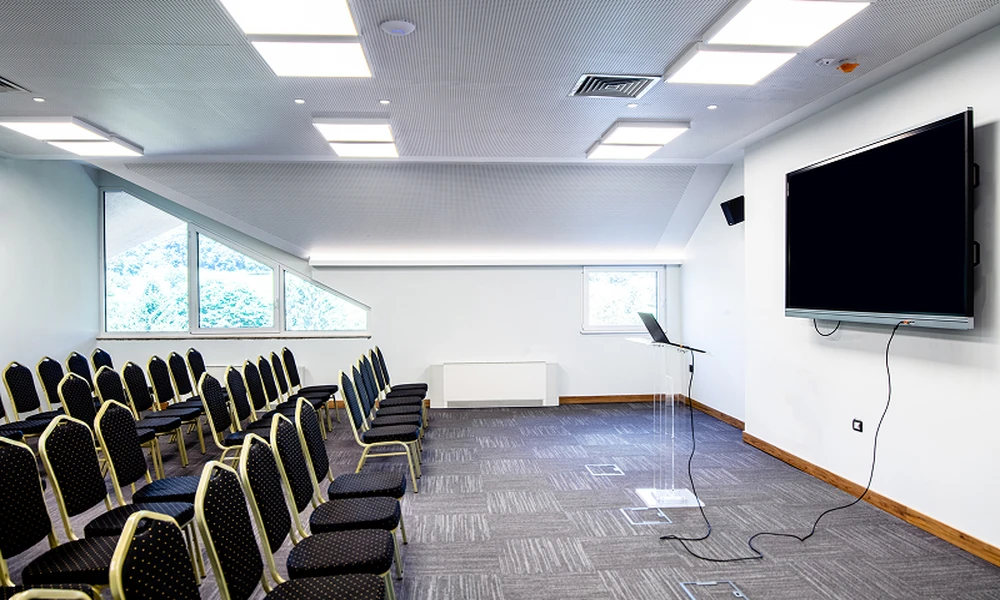
Indoor venues generally provide controlled environments with fixed layouts, built-in facilities, and predictable operating conditions. Event organisers focus on seating arrangements, stage positioning, audiovisual equipment, lighting, and crowd movement within the available space. Air conditioning, electrical supply, security systems, and washroom facilities are typically already in place, allowing organisers to concentrate on programme delivery and attendee experience.
Outdoor venues require far more flexibility. Every element, from marquees and portable staging to temporary power supplies and fencing, may need to be arranged separately. Event organisers must also account for uneven ground, vehicle access, parking, and pedestrian flow. Site inspections become more extensive because organisers need to identify potential hazards and determine the most practical layout for vendors, guests, and event staff.
Weather and Risk Management
Weather remains one of the biggest variables affecting outdoor events. Rain, strong winds, excessive heat, or poor air quality can disrupt schedules and reduce guest comfort. Effective planning includes contingency plans such as alternative indoor venues, weather-resistant structures, drainage considerations, and flexible event schedules. Backup equipment and clear communication procedures also allow organisers to respond quickly when conditions change.
Indoor events face fewer weather-related concerns but still require risk management planning. Fire safety procedures, emergency exits, crowd control measures, and equipment safety inspections remain essential. Regardless of venue type, professional event planning services prepare detailed contingency plans so organisers can make informed decisions without causing unnecessary disruption to attendees or vendors.
Technical and Operational Requirements
Technology requirements differ significantly between indoor and outdoor events. Indoor venues often provide existing sound systems, lighting rigs, projection equipment, and internet connectivity. Organisers assess whether these facilities meet the event’s requirements or whether additional equipment should be brought in.
Outdoor events require temporary infrastructure for nearly every technical component. Portable generators, wireless communication systems, weather-resistant lighting, outdoor LED screens, and reinforced audio systems may all be necessary. Technical rehearsals become particularly important because organisers must verify equipment performance under varying environmental conditions. An experienced event organiser coordinates suppliers to ensure every technical requirement is installed, tested, and monitored throughout the event.
Guest Experience and Comfort
Guest satisfaction depends heavily on comfort and accessibility. Indoor venues usually provide stable temperatures, comfortable seating, restroom facilities, and shelter from changing weather conditions. Organisers can therefore focus on programme flow, branding opportunities, and networking spaces.
Outdoor events require additional planning to maintain guest comfort. Shade structures, cooling stations, portable restrooms, hydration points, insect control, and accessible walkways may all be necessary depending on the venue and season. Parking arrangements, transport access, and directional signage also require careful coordination. Professional event planning services evaluate these factors to ensure attendees remain comfortable throughout the event while maintaining operational efficiency.
Vendor Coordination and Logistics
Every event involves multiple suppliers, including caterers, decorators, production teams, security personnel, photographers, and equipment providers. Indoor venues often simplify logistics because loading bays, storage areas, and utility connections are already available.
Outdoor venues typically involve more complex coordination. Equipment delivery schedules, temporary infrastructure installation, waste management, and supplier access must all be carefully timed to avoid delays. Event organisers maintain detailed schedules to ensure every contractor completes their responsibilities in the correct sequence while complying with venue regulations and safety requirements.
Conclusion
Indoor and outdoor events each offer distinct advantages, but they also demand different planning strategies. Successful execution depends on understanding venue-specific requirements, anticipating operational challenges, and preparing practical contingency plans. Professional event planning services adapt every aspect of the planning process to suit the venue, ensuring smooth coordination from preparation through to event completion. By working with an experienced event organiser, businesses can confidently organise events that meet operational objectives while delivering a positive experience for every attendee.
Contact Event Buddy to deliver an event that runs efficiently from start to finish.