

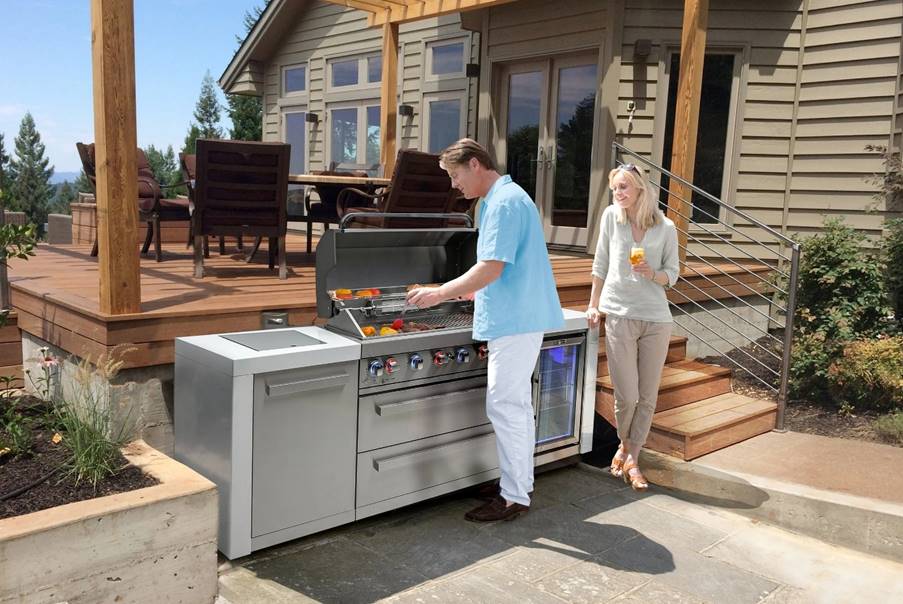
Designing an outdoor kitchen sounds fun at first. But once you get past the excitement, layout choices suddenly feel heavy. A layout is not just about where things fit. It decides how relaxed cooking feels, how people move around you, and whether the space gets used often or quietly ignored.
This guide walks through layout decisions in a very real, very practical way, no showroom fantasy required.
Start With Real Life, Not Pinterest Life
Before measuring anything, pause and think honestly about how you cook.
- Do you grill occasionally or prepare full meals outdoors?
- Are kids running around, or is it mostly adult gatherings?
- Do people hover while you cook, or sit back and chat?
Good outdoor kitchens feel natural because they reflect daily habits, not ideal ones. The goal is smooth movement, not perfection.
Space Is More Than Length and Width
Focusing only on square footage is a common mistake.
In reality, space includes:
- Walking paths and door clearances
- Distance between prep, cooking, and serving areas
- Seating that does not block movement.
Sometimes a smaller space works better than a large one simply because it flows well. That matters more than size.
Popular Layout Styles
Not every layout suits every space. Here are a few that consistently work when chosen thoughtfully:
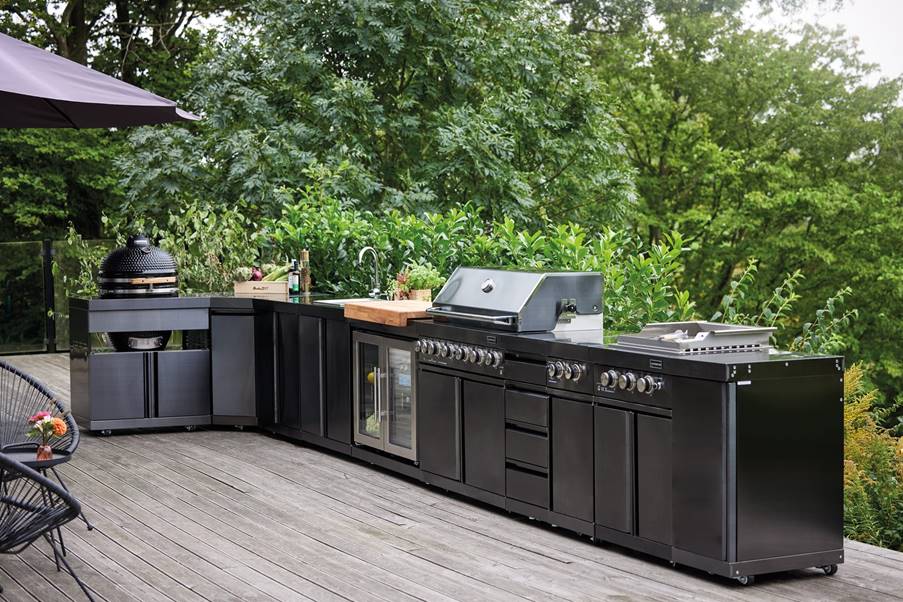
- Straight-line layouts – Ideal for narrow patios or walls
- L-shaped layouts – Good balance between prep and cooking
- U-shaped layouts – Best for serious outdoor cooking
- Island layouts – Perfect for social, guest-friendly setups.
None is universally “better.” The right one depends on how you move, not how it looks in photos.
Weather Influences Layout More Than Design Trends
Sun, wind, and rain shape comfort more than stone finishes ever will.
- Place grills where the wind will not blow smoke back at you
- Keep prep areas shaded during peak heat hours
- Allow for covered zones if the weather changes often.
Ignoring the climate usually leads to regret. And regret is expensive.
Flexible Solutions for Changing Needs
For homeowners who want adaptability, Modular outdoor kitchens make a lot of sense. Their design allows pieces to be rearranged or expanded without tearing everything apart. This flexibility is especially helpful for growing families or homeowners experimenting with outdoor cooking for the first time.
Built-In Layouts for a More Finished Feel
If permanence and polish matter, Whistler Burford Built-In outdoor kitchens offer a well-balanced layout approach. The spacing feels intentional, not cramped, and storage stays accessible even during busy gatherings. It is the kind of design you appreciate more over time, not just on day one.
On the BBQs2u website, these layouts are shown clearly, which helps visualize real proportions instead of guessing. Seeing appliance placement, counter depth, and storage zones together makes planning feel far less overwhelming.
Think About Tuesday Nights, Not Just Weekends
A layout should work when it is quiet.
- Easy cleanup access
- Storage you don’t have to bend awkwardly for
- Lighting that feels soft, not harsh.
If it feels comfortable on an ordinary evening, it will shine during parties too.
Choosing the right layout for Whistler Burford Built-In outdoor kitchens is about listening to your habits, your space, and your environment. When those align, the kitchen becomes part of daily life, not just a seasonal feature.