

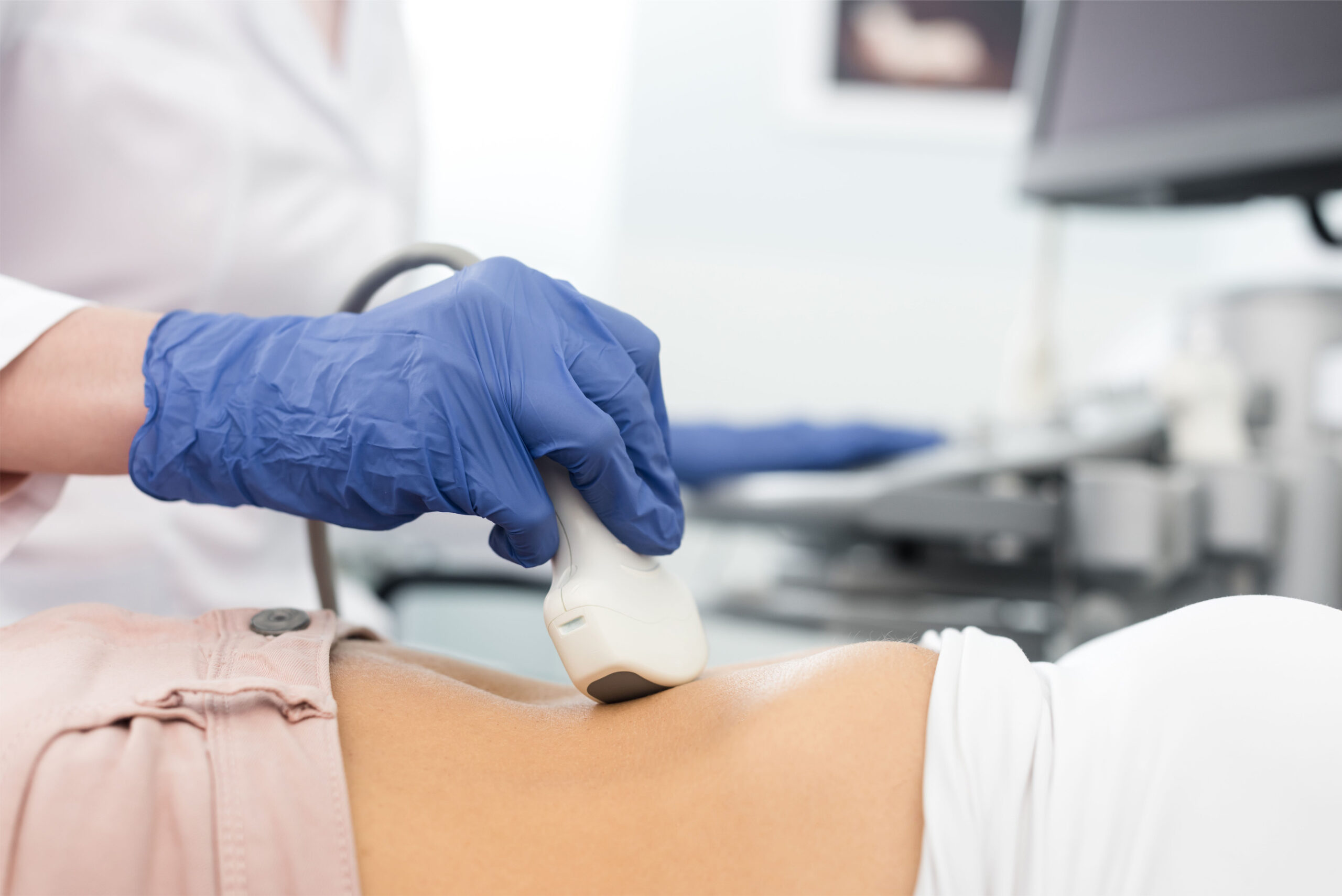
The healthcare division has evolved tremendously in recent years, where in-home ultrasound services are the latest development. It prepares a new patient capacity that will bring comfort and convenience to the healthcare industry. In-home services eliminate some of the disadvantages of regular medical facility visits, such as long hours of waiting and transportation challenges, thereby enhancing patient satisfaction and ensuring efficient access to essential diagnostic tools for ultrasound services.
1. Expanding the Scope of Convenience
The first benefit, therefore, of having in-home ultrasound services is convenience, which is more than just the time factor. The elderly and persons with disabilities are some of the most vulnerable populations in society, and they may find it rather challenging to travel to and from the facilities on their own. In-home services effectively eradicate such obstacles, allowing the patient to obtain necessary treatment.
Moreover, personal transportation services can help pregnant women with constant check-ups feel more confident and significantly decrease travelling’s physical and psychological burden compared to multiple hospital visits.
2. Enhancing Accessibility Across Regions
Healthcare access is significantly enhanced through in-home ultrasound services, particularly benefiting rural and remote areas often underserved by traditional healthcare facilities. These regions frequently need more healthcare providers and access to specialised medical services, hindering timely diagnosis and treatment.
By bringing ultrasound services directly to these communities, healthcare systems can effectively bridge the gap in care, ensuring that geographical location does not impede access to essential diagnostic tools. These modifications advance the patient’s healthcare by enabling physical ailments to be diagnosed early.
It creates a balance in society by ensuring that anyone needing health commodities in a remote area gets the same services as any other person in the cities.
3. Economic Implications and System Efficiency
The cost-effectiveness of in-home ultrasound services extends beyond patient savings on travel expenses. Because fewer people will be coming to the hospital for appointments, costs associated with staffing and space will also be reduced. Such a transition can contribute to optimising the expenditure of given resources. Hence, the cost of healthcare could decline.
Furthermore, more specifically, in-home diagnosis and treatment services will also help to decrease the overcrowding of the hospital radiology departments. At the same time, the latter can concentrate on patients with complicated conditions requiring specialised, hospital-level equipment.
4. Elevating Patient Care with Personalised Attention
Such services as ultrasound are more personal, mainly when provided within the comfort of one’s home. In-home caregiving presents NSWM medical professionals with an exceptional opportunity to personally interact with patients in their homes – environments through which they can learn much more about patient’s living circumstances and general well-being.
This environment allows for a more patient-oriented tradition that is more personal to the practitioners, thus improving the patient-practitioner connection. The practicality of a familiar environment can also enhance the patient’s compliance and openness during consultations, which is essential for the correct diagnosis and treatment planning.
5. Addressing Technological and Logistical Challenges
The opportunities for such services are apparent, but in-home ultrasound services have technological and organisational problems. The quality of the portable ultrasound devices needed to be better than the standard of the stationery types in the past. However, the current technology has enhanced the performance of the devices to provide good pictures and results from the diagnosis.
Otherwise, organising visits at clients’ homes, managing equipment, or guaranteeing timely services may prove problematic. Still, more and more are being handled effectively and innovatively through complex logistics solutions and healthcare delivery systems.
6. Integrating Telemedicine for Comprehensive Care
Telemedicine helps provide in-home ultrasound and XRay scan services due to the following factors: The usage of real-time data transfer means that undergoing ultrasound images can be reviewed by the specialists regardless of their location when they were taken at home.
This expedites the diagnostic process and enables a collaborative approach to patient care. Specialists can provide immediate feedback and guidance, facilitating a comprehensive care model that leverages the expertise of various healthcare professionals.
7. The Future of In-Home Healthcare Services
Looking forward, in-home ultrasound services are just the beginning. As technology advances, other diagnostic and treatment services could also move into the home setting. This could include mobile laboratory services, in-home dialysis, and more complex monitoring systems for chronic conditions. Such developments could further revolutionise healthcare delivery, making it more patient-centric and integrated.
8. Regulatory and Ethical Considerations
While private capitalist in-home services receive increasing attention, legal rules should be updated to protect patient’s right to safety and privacy. Several ethical issues come with this, including data security and problems that revolve around the over-prescription of services and treatment, which drain the provider’s resources while being nonessential by the patients.
The regulators tend to struggle to promote more innovation simultaneously, striking a balance by preserving more on the patient’s side and supporting the development of new models in delivering healthcare.
This balance is crucial for maintaining trust in the healthcare system and ensuring that advancements in care do not compromise patient safety or ethical standards.
Final Takeaway
Hearing services bringing the ultrasound inside your home represents a significant change in trends of increasing convenience, comfort and client-centricity in healthcare. Although transition creates new problems in technologies and logistics, the positive impact on patient outcomes and the system is likely significant.
Continuing changes in the healthcare field and the provision of care, in-home services are likely to become standard bearings of a medical care scheme, thereby revolutionising how healthcare providers interact with societies. It also refreshes the quality of care and the structure of the patient-centred healthcare systems.