

Key Takeaways
- Buddhist funerals centre on rituals that guide the spiritual transition of the deceased.
- A funeral parlour in Singapore typically supports structured chanting and altar arrangements.
- Family participation remains essential in maintaining tradition and symbolic practices.
Introduction
Arranging a Buddhist funeral involves more than coordinating logistics, as families often rely on a funeral parlour in Singapore to support a series of rituals that carry spiritual meaning. Each element reflects beliefs about transition, merit, and remembrance, which shape how the wake and final rites unfold. While practices may vary slightly across traditions, the overall structure remains consistent in guiding the deceased through their final journey. Understanding these ritual elements helps families prepare with clarity, ensuring that each step aligns with both religious expectations and personal intentions.
1. Enshrinement Altar as the Central Focus
The altar forms the centrepiece of a Buddhist funeral, serving as the focal point for prayers and offerings. It typically includes an image of the Buddha alongside a portrait of the deceased, arranged in a way that reflects respect and continuity. The placement of items follows specific guidelines that depend on the tradition observed, which ensures that the environment supports ritual activities. This setup provides a dedicated space where family members and visitors can express their respects throughout the wake.
2. Structured Chanting Led by Monks
Chanting plays a consistent role across different stages of the funeral, guiding the spiritual process associated with the deceased’s journey. Monks lead these sessions at key moments, including the initial rites and the final farewell. Their presence helps maintain the rhythm of the rituals while providing a structured approach to prayer. Families often schedule multiple sessions to ensure continuity, which reinforces the purpose of each stage within the broader ceremony.
3. Vegetarian Offerings and Meal Practices
Food offerings reflect the principle of non-harm, which remains central to Buddhist teachings. Families prepare vegetarian dishes for placement on the altar, symbolising respect for life and the cultivation of merit. This approach extends to meals served during the wake, creating a consistent environment that aligns with the values observed throughout the ceremony. These practices also encourage mindfulness among attendees, reinforcing the tone of the occasion.
4. Incense and Symbolic Offerings
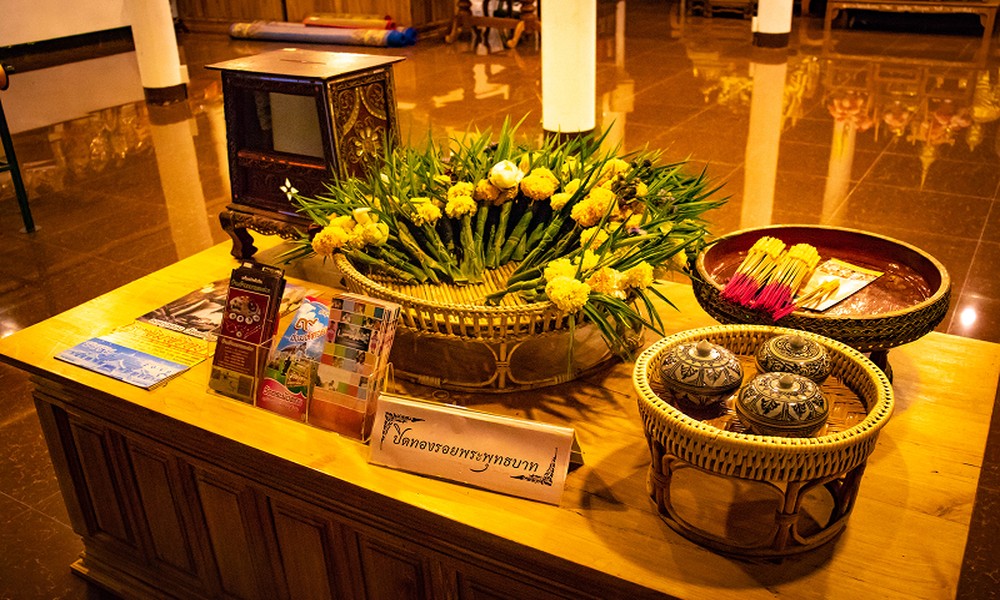
Incense burning represents a continuous expression of respect, with its presence marking the passage of time during the wake, a practice commonly observed in a funeral parlour in Singapore. The act of offering incense allows participants to engage directly with the ritual, creating a shared moment of reflection. Fruits and other symbolic items complement this practice by representing outcomes shaped by past actions. Together, these elements create a layered expression of remembrance that integrates both physical and symbolic meaning.
5. Cleansing Rituals and Preparation
Certain traditions include symbolic acts that represent purification before the final journey. These rituals often take place during preparation stages and carry meaning related to renewal and release. While not always visible to attendees, they form an important part of the overall process. Families who understand these practices can approach them with intention, recognising their role within the broader framework of the funeral.
6. Dedication of Merit Through Prayer
The concept of transferring merit forms a key aspect of Buddhist belief, particularly during the closing stages of the funeral. Family members participate in prayers that dedicate positive actions and intentions to the deceased. This practice reflects the idea that collective effort can support the next stage of the individual’s journey. The ritual also brings participants together in a shared act of remembrance, reinforcing familial and spiritual connections.
7. Mourning Attire and Symbolism
Clothing worn by family members carries symbolic meaning that reflects their relationship to the deceased. Traditional attire often uses simple colours and materials to express respect and humility. While modern practices may adapt these expectations, the underlying intent remains consistent. Observing these guidelines helps maintain continuity with tradition while allowing families to express their roles within the ceremony.
Conclusion
Buddhist funeral rituals follow a structured path that supports both spiritual beliefs and communal participation. Each element contributes to a process that balances remembrance with transition, allowing families to engage with the ceremony in a meaningful way. When these practices are understood clearly, the experience becomes more grounded and purposeful.
Contact Casket Fairprice to arrange a Buddhist funeral service that respects tradition and supports your family’s needs.