

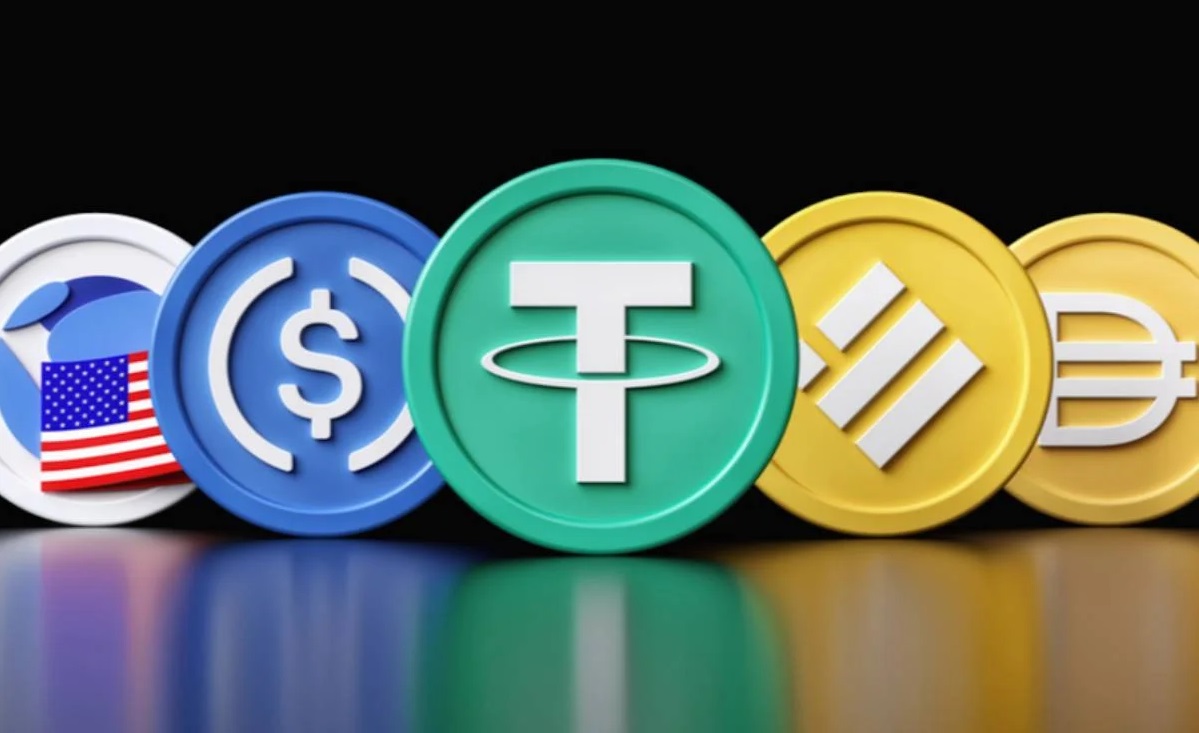
In the dynamic world of digital currencies, stablecoins have risen as one of the most significant advancements. Rooted on bedrock between the volatility surrounding cryptocurrencies such as Bitcoin and the steadiness of traditional currencies such as the U.S. dollar or euro, stablecoins are programmed to be the best of both worlds.
The Basics: Why Does a Coin Have to Be “Stable”
At their heart, stablecoins are digital tokens whose value is tied, or “pegged,” to some form of stable asset, such as a fiat currency, gold, or even a basket of assets. The concept is straightforward: Although Bitcoin’s price can fluctuate erratically in a day’s time, a stablecoin pegged to the dollar stays near $1.
This reliability makes them very appealing to users who desire the speed and versatility of crypto payments but don’t want the risk of sudden losses.
Stablecoins: The Silent Support of Digital Finance
While Bitcoin and Ethereum tend to garner headlines, it is stablecoins that quietly power much of the digital economy. They are not speculation but utility. Tied to relatively stable assets such as the dollar or euro, they provide a stable anchor in an otherwise volatile crypto world.
Stablecoins serve as a safe harbor for traders during market volatility. For individuals, they offer quicker and more affordable methods for sending money across borders than traditional banks. In emerging economies they are even used as a hedge against inflation, providing people with a way to access digital dollars when their local currencies lose their value.
Far from being flashy, stablecoins are becoming the infrastructure that makes cryptocurrencies work in our day-to-day lives.
The Trust Problem
But stablecoins are only as good as their reserves. Concern about the actual existence of assets in the issuers to provide stability has been a concern for the market.
For example, Tether (USDT) has been often under scrutiny for its reserve transparency, while USDC has earned credibility by regularly publishing audits. This conversation about trust and transparency continues to be at the heart of stablecoin’s future.
Stablecoins in the Greater Scheme
Stablecoins don’t operate in a vacuum; they’re part of a larger financial change. As central banks try their own Central Bank Digital Currencies (CBDCs), we ask the question: will CBDCs ever supersede private stablecoins, or will they co-exist?
As we have discussed in this overview of stablecoins and their role in digital finance. However, the answer to that question may lie in the way that governments strike a balance between innovation and regulation. If CBDCs are engineered with tight controls, stablecoins could still stand as more flexible, market-driven alternatives.
Conclusion
Ultimately, stablecoins
are more than a Band-Aid—they’re a bridge. They bridge the old and new worlds of finance and provide a model for how digital assets can achieve both trust and usability.
Their path will be determined by two factors: whether issuers can try to preserve credibility and how regulators act. If both are true, stablecoins will probably be the backbone of a more efficient and globalized financial system.