


The digital world is reaching a peculiar bottleneck, and it has nothing to do with bandwidth or processing power. Copackaged optics represents a fundamental reimagining of how we move data, addressing a problem that has quietly plagued our information infrastructure: the journey between the chip and the cable.
In traditional network systems, optical transceivers sit outside the switch chip, connected through copper traces on a circuit board. This seemingly innocuous gap, a few centimetres at most, has become the Achilles heel of modern computing. As data rates climb and artificial intelligence demands ever more information flow, this small distance consumes disproportionate amounts of power and introduces latency that compounds across millions of connections.
What Makes Copackaged Optics Different
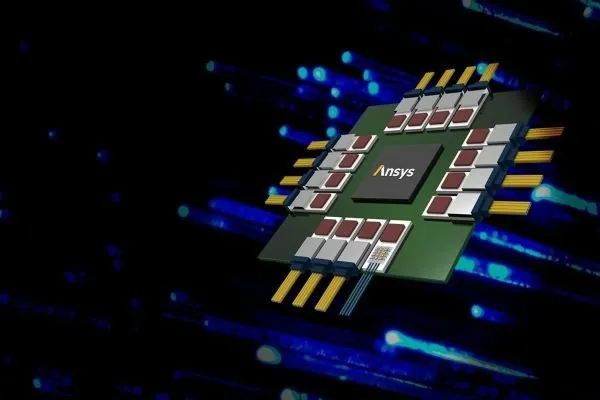
The innovation lies in proximity. Rather than maintaining the separation between electronics and photonics that has defined networking for decades, copackaged optics integrates optical components directly onto or within the switch package itself. The result is rather like moving from shouting across a room to whispering in someone’s ear; the message arrives clearer and with far less effort.
Consider the traditional approach: electrical signals travel from the switch chip across copper traces to reach an optical transceiver positioned at the front panel of a switch. This journey, though brief, requires signal conditioning, consumes substantial power, and introduces delays. Copackaged optics eliminates most of this journey entirely.
The Power Problem and Singapore’s Position
Data centres are, in essence, enormous electricity consumers. In Singapore, where space is at a premium and cooling costs are substantial due to the tropical climate, energy efficiency is not merely an environmental concern but an economic imperative. The government’s push towards sustainable digital infrastructure has positioned the nation as an early adopter of emerging technologies that promise reduced power consumption.
As one industry observer noted, “Singapore’s data centre operators are keenly aware that copackaged optics could reduce power consumption by up to 30 per cent compared to traditional pluggable optics.” This reduction translates directly into lower cooling requirements, a consideration that matters enormously in a climate where ambient temperatures hover near 30 degrees Celsius year-round.
How Copackaged Optics Works
The technology rests on several key principles:
Close Integration
Optical components are placed within millimetres of the switch chip, drastically reducing the electrical path length
Improved Signal Integrity
Shorter connections mean less signal degradation and lower power requirements for signal conditioning
Thermal Management
Heat from both electronics and optics can be managed through a unified cooling system
Higher Density
More optical connections fit into the same physical space, increasing port count without expanding the switch footprint
The shift requires rethinking the entire architecture of network switches. Components that were once separate modules become integrated elements, demanding new manufacturing processes and supply chain arrangements.
Real-World Benefits
The advantages extend beyond simple power savings. Network latency drops when signals travel shorter distances. Reliability improves when there are fewer connections to fail. Maintenance becomes simpler when optical interfaces are permanently integrated rather than plugged and unplugged repeatedly.
For hyperscale networks, the kind that underpin cloud computing and artificial intelligence training, these improvements compound rapidly. A reduction of a few nanoseconds per hop multiplies across thousands of switches into measurable performance gains. Power savings of 30 per cent in a facility consuming megawatts translate into millions in annual operating costs.
Challenges on the Horizon
Yet copackaged optics introduces its own complications. The technology demands new standards, new testing procedures, and new approaches to serviceability. When optical components are permanently integrated, repairing or upgrading individual elements becomes more complex. The manufacturing yield, always a concern when combining different technologies, requires careful attention.
Industry experts acknowledge these hurdles. “The transition to copackaged optics requires collaboration across the entire supply chain,” noted a Singapore-based technology analyst. “From chip designers to optical component manufacturers, everyone must adapt to this new paradigm.”
The technology also represents a shift in how network infrastructure is purchased and maintained. Traditional pluggable optics allowed operators to upgrade optical modules independently of switches. Copackaged optics ties these elements together, requiring more careful long-term planning.
Looking Forward
The trajectory, however, seems clear. As data rates push towards 800 gigabits per second and beyond, the physical limitations of traditional approaches become insurmountable. The industry is not abandoning pluggable optics entirely; rather, copackaged optics will likely serve the most demanding applications whilst pluggable modules continue for lower-speed connections and edge deployments.
Singapore’s strategic position as a regional technology hub, combined with its focus on energy efficiency and sustainability, makes it a natural testing ground for these innovations. The lessons learnt in tropical data centres, where every watt of power saved translates directly into reduced cooling demands, will inform deployments worldwide.
The future of networking, it seems, depends not on transmitting signals farther or faster, but on recognising that sometimes the most significant improvements come from bringing things closer together. This fundamental insight drives the adoption of copackaged optics across the industry, promising networks that are simultaneously faster, more efficient, and more sustainable than what came before.