

Key Takeaways
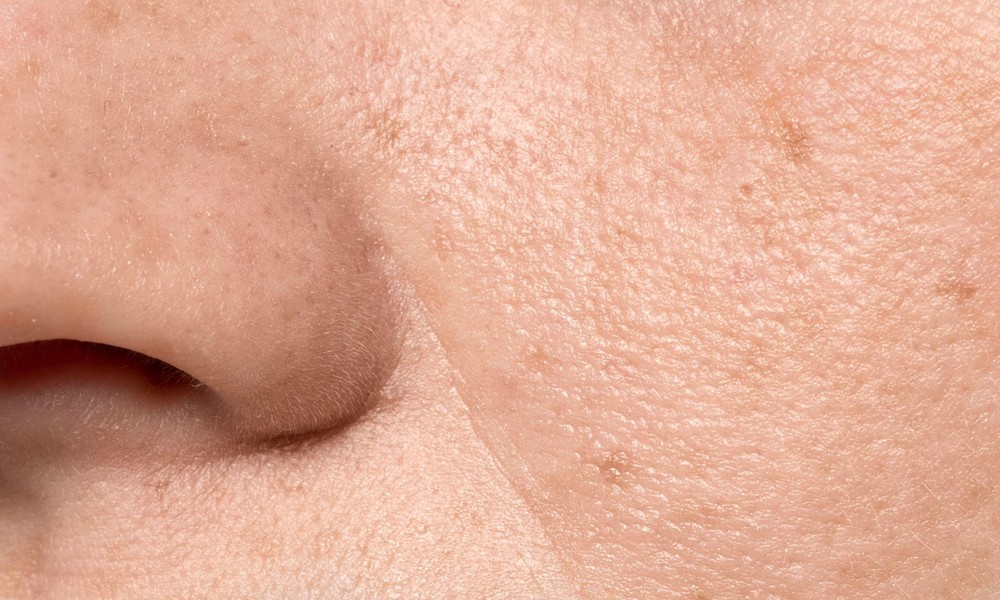
- Large pores often stem from deeper structural skin changes rather than surface oil.
- Loss of collagen and elasticity can widen pores over time.
- Effective large pores treatment may require combined medical aesthetics approaches.
Introduction
Seeking large pore treatment often leads individuals to explore various aesthetic options, from managing pigmentation with laser treatment for melasma to improving hydration with an HA Skin Booster, yet many realise that visible pores persist despite these efforts. Medical aesthetics now addresses concerns that extend beyond surface-level factors, especially when pore size relates to structural changes within the skin. In Singapore’s climate, where humidity and environmental exposure influence skin behaviour, these concerns become more noticeable over time. Understanding the underlying causes allows individuals to assess when professional intervention becomes a more practical step than relying solely on topical products.
1. Excessive Sebum Production and Pore Expansion
Sebum plays an essential role in maintaining skin balance, yet excessive production can gradually stretch pore openings. When oil accumulates, it keeps the pore lining under constant pressure, which leads to a more visible appearance. Over time, this repeated expansion makes it harder for pores to return to their original size. While daily cleansing can manage surface oil, persistent overproduction often requires treatments that regulate gland activity at a deeper level.
2. Genetic Influence on Skin Structure
Genetics determines many aspects of skin behaviour, including pore size and oil distribution. Individuals with a family history of prominent pores may notice similar patterns regardless of their skincare habits. This inherited trait does not prevent improvement, yet it sets a baseline that topical solutions alone may not fully address. Recognising genetic influence helps manage expectations and guides individuals towards treatments that focus on refining overall skin texture.
3. Age-Related Loss of Elasticity
As skin matures, collagen and elastin levels decline, which affects how well pores maintain their shape. Reduced support causes pore walls to lose firmness, leading to a wider and more elongated appearance. This change becomes more noticeable in areas that experience frequent movement, such as around the nose and cheeks. Addressing this factor involves treatments that stimulate collagen production, such as an HA Skin Booster, helping restore structural support and elasticity over time.
4. Long-Term Sun Exposure and Skin Damage
Ultraviolet exposure affects the deeper layers of the skin, weakening fibres that maintain its structure. Over time, repeated exposure contributes to a rougher texture and more pronounced pores. Even with regular sunscreen use, accumulated damage may still influence how the skin appears. Treatments that target both pigmentation and collagen breakdown can help improve overall texture while reducing the visibility of enlarged pores.
5. Hormonal Changes Affecting Oil Levels
Hormonal fluctuations influence sebum production, which can lead to noticeable changes in pore size and increase interest in large pore treatment. Periods of increased activity, such as stress or lifestyle changes, often trigger higher oil output. This cycle can make pores appear more prominent, especially when combined with other underlying factors. Managing hormonal influence may involve a combination of lifestyle adjustments and targeted treatments that stabilise oil production.
6. Persistent Congestion Within Pores
Clogged pores create internal pressure that keeps them visibly open. When debris accumulates, it prevents pores from contracting naturally, which leads to a more pronounced appearance. Regular cleansing helps reduce surface buildup, yet deeper congestion may require professional extraction methods. Addressing this factor ensures that pores remain clear and less prone to stretching over time.
7. Environmental Exposure and Skin Stress
Urban environments expose skin to pollutants that settle into pores and contribute to irritation. Over time, this exposure can weaken the skin barrier and affect how pores respond to external stress. When the skin struggles to maintain balance, pores may appear larger as a result. Treatments that focus on restoring skin health and reducing oxidative stress can help improve overall resilience and texture.
Conclusion
Large pores often result from a combination of internal and external factors that extend beyond simple oil control. When these influences affect the skin over time, they change how pores behave and how visible they become. Understanding these causes allows individuals to choose solutions that address the root of the concern rather than temporary surface effects.
Contact Halley Aesthetics to explore suitable large pore treatment options tailored to your skin condition.