

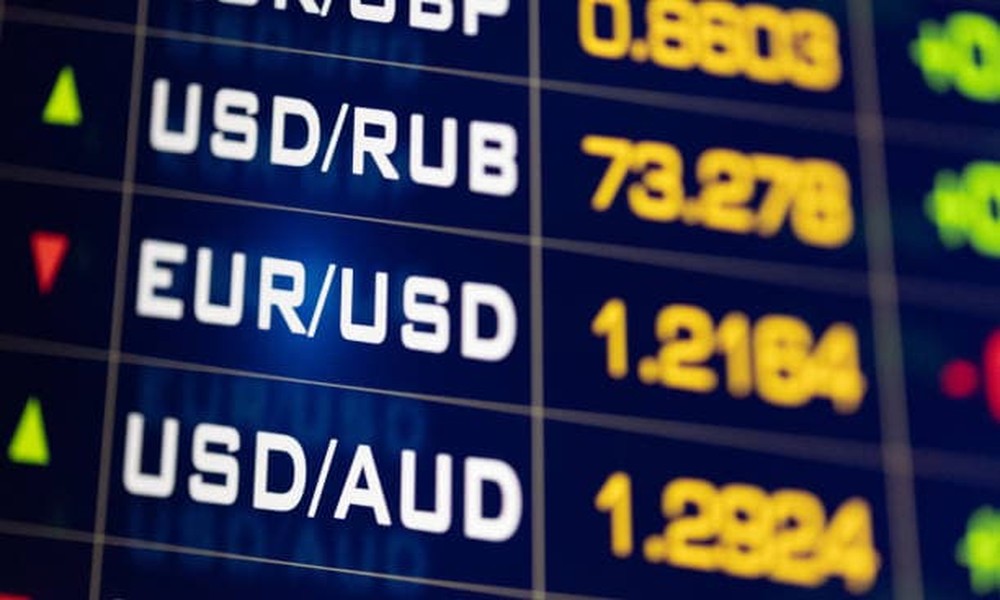
Let’s be honest: no one truly “owns” the world’s financial pulse, but every morning I wake up and check how the Tokyo Nikkei is breathing, and I instantly know whether my afternoon will be calm or chaotic. The truth is, world markets aren’t some distant concept reserved for suited bankers in glass towers—they’re the messy, noisy, and very human bazaar where countries, currencies, and corporations play poker with our pensions and paychecks. When I look at the global financial market, I don’t see sterile charts, I see a living organism that sweats panic when oil prices spike and purrs contentedly when central banks whisper “steady.” That’s the lens I want to put on for you today—not a textbook, but a conversation over coffee about how these giant, interconnected systems actually touch the scarf you bought online or the price of your morning latte.
Why the Global Financial Market Feels Like a Friday Night Party
You ever walk into a room and immediately sense the mood without anyone saying a word? That’s exactly what the global financial market does every second. It’s not just numbers on a screen, it’s the collective emotional state of millions of traders, governments, and even your neighbor who panicked about inflation last week. When I scan the world markets, I’m really scanning human behavior—fear, greed, hope, and sometimes sheer boredom. For instance, last month, when rumors about a new tech regulation spread from Brussels to Singapore, the global financial market twitched like a cat spotting a cucumber. Stock indices in London dipped, the dollar wobbled, and suddenly my friend in Dubai couldn’t get a decent exchange rate for his vacation cash. That’s the beauty and chaos of it: everything is connected, and nothing is isolated.
A big part of watching world markets is understanding that they’re not monolithic. The Asian session might be sleepy while Europe is buzzing, and by the time New York wakes up, the global financial market (In Arabic, it is called “اسواق العالم“) has already rewritten half the rules. I’ve learned to pay attention to the shenanigans in emerging economies—like Brazil or Turkey—because their ripples often turn into waves that crash onto Wall Street. The global financial market, honestly, is a bit like a gossipy neighborhood: a small scandal in one yard can make everyone pull their curtains closed. But that’s also what makes it fascinating—you never know which seemingly minor event will become the headline that shakes world markets.
The Human Side of World Markets (And Why Your Coffee Costs More)
Let’s get down to the gritty details that actually affect us. When analysts talk about the global financial market, they often sound like robots reciting GDP figures, but I prefer to look at the ground level. Take coffee prices, for example. A drought in Vietnam affects the world markets for robusta beans, which then sends a ripple through the global financial market as futures contracts get re-priced. Suddenly, your local café charges an extra fifty cents, and you don’t even know that a trade war between two distant countries triggered it all. That’s the invisible web we live in.
I remember last year, during a particularly volatile week, the global financial market (In Arabic, it is called “سوق المال العالمي“) was like a rubber band stretched to its limit. The world markets were in a frenzy because of an unexpected interest rate hike in the US. But here’s what the headlines missed: small businesses in Thailand couldn’t get loans anymore, and a factory in Mexico had to slow production. The global financial market isn’t just about big players, it’s about the millions of everyday transactions that keep the machine humming. When I write about this, I try to remind myself that every percent change in a stock index means someone’s future—maybe a retirement plan, maybe a college fund—is being nudged.
Global Financial Market: The Unseen Puppeteer of World Markets
Sometimes I think of the global financial market as that friend who always “knows a guy.” It doesn’t directly control everything, but it has a massive say in how world markets move. For instance, currency exchange rates are supposed to be about economics, but often they’re about psychology. If the global financial market decides that the euro looks “nervous,” then suddenly world markets for European exports get cheaper or more expensive for no good reason. And that affects everyone from German carmakers to Italian olive oil sellers.
I’ve also noticed that the global financial market has a weird sense of memory. It doesn’t forget past crises. Every time there’s a hint of instability—like a bank failure or a political standoff—the same pattern emerges: first panic, then a scramble, then a slow return to normalcy. But each event leaves a scar. The world markets today are still haunted by 2008, and the global financial market is constantly checking its own pulse for any sign of another fever. That nervousness isn’t irrational, it’s just the natural state of a system that runs on trust and fear in equal measure.
Personal Observations on World Markets and Global Financial Market Dynamics
Let me share a specific memory. About six months ago, I was tracking the world markets during a period of extreme uncertainty—everyone was talking about a potential recession. But the global financial market was sending mixed signals: bond yields were falling (which usually means fear), yet stock indices were climbing (which usually means optimism). It was like watching two drunk friends argue about which way is North. In the end, the world markets corrected themselves, but only after a few weeks of pure confusion. That taught me that the global financial market isn’t a single entity, it’s a debate club with a million members, each shouting different opinions.
Another thing I’ve learned is that the global financial market has a soft spot for narratives. If a story is compelling enough—like “AI will save the economy” or “Green energy is the future”—the world markets will run with it, sometimes ignoring fundamental data. I’ve seen the global financial market chase a trend for months, only to realize later that it was based on hype. And that’s okay, because markets are human, and humans love a good story. The trick is to know when the story is about to end.
Why We Shouldn’t Fear World Markets, But Stay Curious
I know that terms like “global financial market” can sound intimidating, and I used to feel the same way. But after years of watching world markets and writing about them, I’ve come to see them as a gigantic, untidy public forum. Yes, there are serious risks—crashes, bubbles, sudden shocks—but there’s also resilience. The global financial market has survived wars, pandemics, and countless mistakes, and it still keeps chugging along. That’s actually inspiring.
When you zoom out, the world markets are just a collection of people making bets on the future. The global financial market is the stadium where those bets are placed. And every single one of us, whether we know it or not, is in the stands. So next time you hear a news headline about a market dip or a rally, remember: it’s not abstract. It’s the sound of millions of humans trying to figure out tomorrow. And that, to me, is endlessly fascinating.