

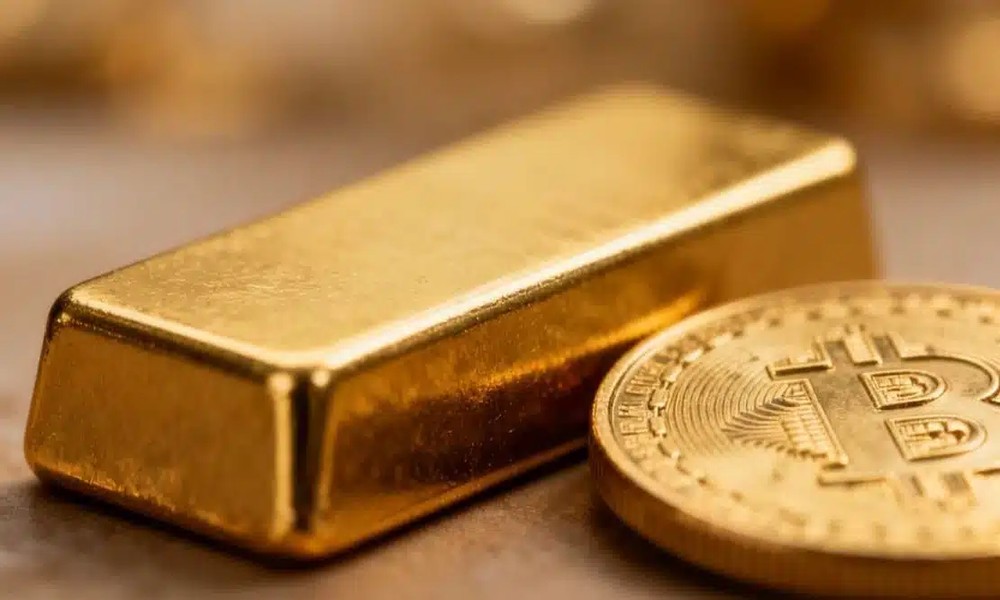
Are you wondering why offers on your silver bullion fluctuate? Could there be a hidden factor influencing what buyers are willing to pay? There are so many questions you could ask, let’s have a look:
When you sell silver bullion, have you ever asked yourself why one dealer’s offer seems fair while another’s feels low? Could the answer lie in something called the silver spot price? Let’s break it down by asking the right questions.
What Is the Silver Spot Price?
What if the number you see on financial websites isn’t the price you actually receive?
Could the spot price simply be a benchmark, a reference point that dealers use to calculate offers?
How often do you think this number changes, and why?
The silver spot price is the current market value of silver per ounce on global exchanges. It moves constantly due to trading, currency fluctuations, and investor demand. But here’s a key question: if it’s the “market price,” why don’t you receive it in full when you sell?
Why Might Offers Be Below Spot?
If dealers know the spot price, why don’t they pay it fully?
Could there be costs or risks they need to cover?
How much should you reasonably expect them to deduct?
Most dealers subtract a margin from spot to account for storage, handling, insurance, and profit. That means receiving 80%-95% of spot can be normal, not a rip-off.
Ask yourself: If a dealer offers less than another, is it because of their internal costs, or is there something unusual about your silver?
How Does Market Volatility Influence Your Offer?
If the spot price changes hourly, what does that mean for your quote?
Could an offer be valid today but different tomorrow, even for the same bullion?
How can you make sure you sell at a fair moment?
Spot prices fluctuate with global economic news, the US dollar, and industrial demand. Timing your sale wisely can improve the payout.
How Can You Evaluate a Dealer’s Offer?
Are they using the live spot price, or an adjusted internal rate?
Do fees or deductions apply?
Does your silver meet their quality standards?
Knowing these answers allows you to compare offers fairly and maximize your return when you sell silver bullion.
Practical Steps to Make Smarter Decisions
Could shopping around increase your payout? Check multiple dealers.
How does timing affect your final offer? Consider selling when spot trends upward.
Does the type of silver matter? Recognizable coins and bars often fetch closer-to-spot offers.
Are you accounting for fees? Shipping, insurance, and assay costs can reduce your cash.
The Bottom Line
By asking the right questions, you see that the silver spot price is a guide, not a guarantee. How dealers interpret it, market volatility, and timing all shape the final offer you receive.
Next time you sell silver bullion, ask yourself: Am I understanding the full picture, or just reacting to a number on a screen? By thinking like this, you take control of your silver’s value.